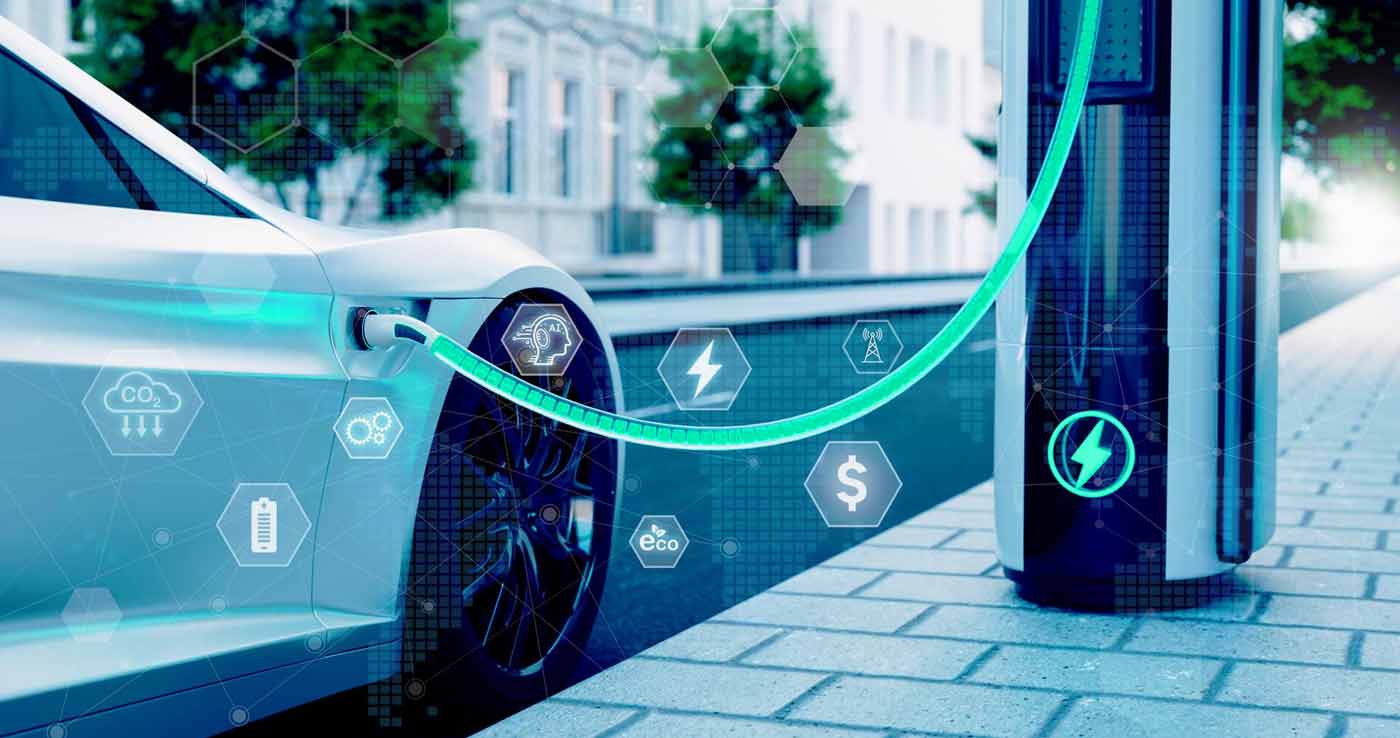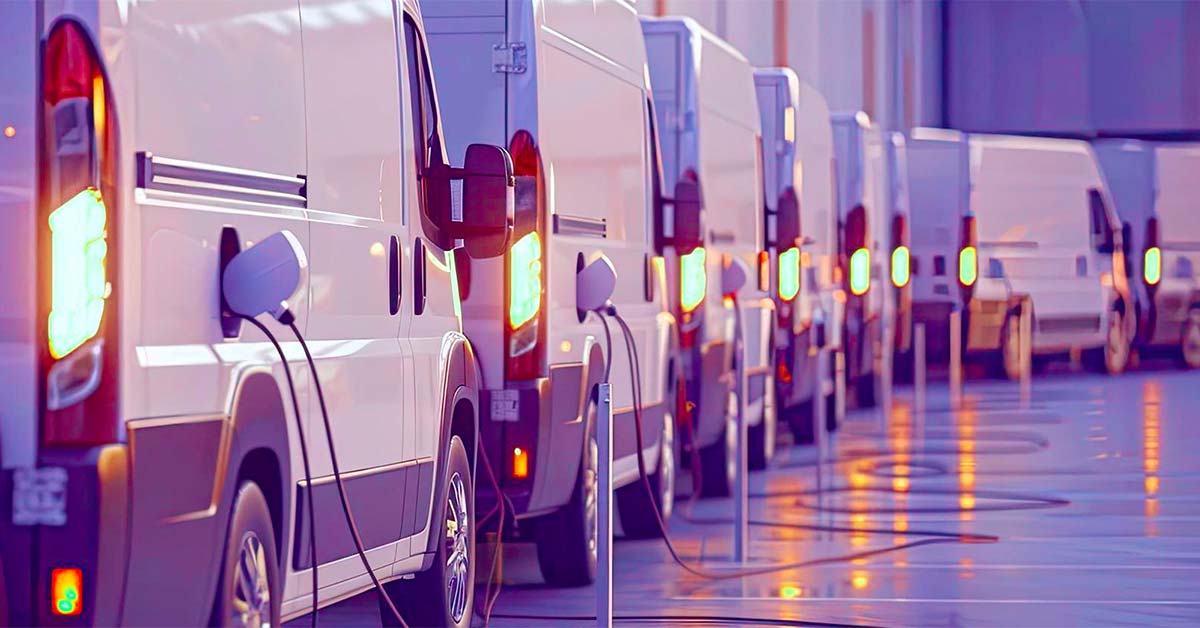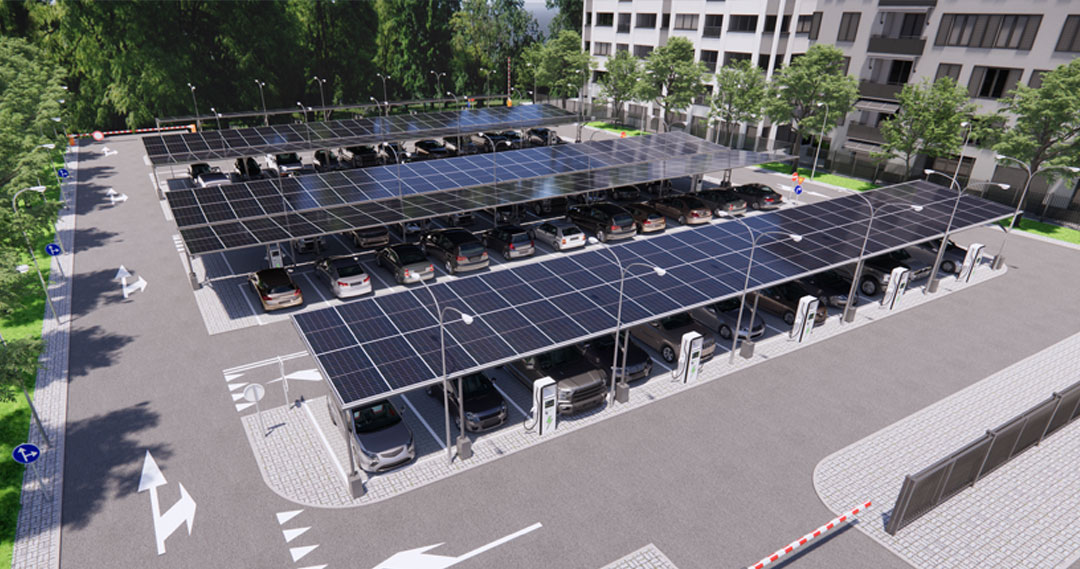
The shift to electric transportation is here, reshaping how commercial properties attract tenants, support employees, and stay competitive. With the U.S. EV-charging infrastructure market already valued at over $5B and forecast to grow by more than 30% per year through 2030, adding charging stations isn’t just a tenant amenity; it’s a strategic investment.
Whether you manage a workplace campus, multifamily building, retail center, or mixed-use portfolio, adding commercial EV charging stations helps you meet the expectations of today’s drivers and the infrastructure goals of tomorrow. This guide covers the key decisions, costs, hardware options, software requirements, and planning steps for choosing the right commercial EV charging station in 2026 and beyond.
TL;DR: What should you look for when buying a commercial EV charging station? When evaluating EV charging hardware for your property, focus on:
- Charging speed that fits your dwell time: Level 2 for 4+ hour stays; DC fast charging for short-stop retail.
- Total cost, including installation: typically $3,000–$7,000 per Level 2 port, with tax and utility credits potentially covering up to 30% of upfront costs.
- OCPP-compliant software that lets you manage multiple hardware models from a single platform.
- Room to scale; design for 50–100% more ports than you need today.
- Strong support and maintenance with 98.5%+ charging success rates and proactive monitoring.
Understanding Your Commercial Property’s EV Charging Needs
The most successful charging projects start with a clear sense of who will use the stations and how often.
Assessing Current and Future EV Demand
As with any business, it’s important to know your customers and their routines. Workplace properties, retail centers, fleets, and multifamily buildings all have different charging patterns, but across the board, adoption is rising fast.
As you think about your charge needs, here’s what you need to take into consideration:
- EV ownership among tenants, employees, and visitors.
- Local EV adoption forecasts (DOE’s AFDC maintains updated data).
- A quick survey to understand expectations around availability, cost, and access.
Matching Charge Speed to Dwell Time
Charging speed matters only in terms of how long people stay. Long stays favor Level 2 because it’s cost-effective and covers the whole workday. DC fast charging is better suited to quick-service: rest stops, convenience stores, all the places drivers want to charge and go.
- 8+ hours: Workplaces, multifamily → Level 2
- 2–4 hours: Retail centers, restaurants → Level 2, possibly paired with DC fast
- Under 2 hours: Convenience stores, quick-service → DC fast charging
Determining the Right Number of Ports
Industry benchmarks suggest one charger per 10 to 15 parking spaces for workplaces. Retail and multifamily properties don’t follow a single ratio (usage patterns dictate the mix; contact us to discuss your unique needs), so the right number depends on dwell time and expected demand. If capacity is limited, consider a phased rollout while still prepping the site for future growth.
Level 2 vs. DC Fast Charging: Choosing the Right Technology
Not all properties are the same; likewise, the charging setup. Most commercial projects start with Level 2 charging because it covers the majority of daily use cases, keeps costs predictable, and fits neatly into existing electrical infrastructure. But depending on your dwell times, traffic patterns, and business model, adding DC fast charging can make a massive difference to your drivers and your bottom line, especially for locations with quick turnover or high visibility.
Level 2 and DC fast charging each solves different problems, so the goal isn’t to pick a “winner.” It’s matching the technology to how people actually use your property.
Property-Type Recommendations
Charging speed matters only in terms of how long people stay. Long stays favor Level 2 because it’s cost-effective and covers the whole workday. DC fast charging is better suited to quick-service: rest stops, convenience stores, all the places drivers want to charge and go.
- Office & corporate campuses → Level 2
- Multifamily → Level 2
- Retail → Level 2 or hybrid (Level 2 + DCFC)
- Highway rest stops, travel centers → DCFC
Critical Hardware Selection Criteria for Commercial Stations
With dozens of manufacturers on the market, our advice is the same as with any equipment on the job site. Focus on the fundamentals: durability, compatibility, and long-term flexibility.
Networked vs. Non-Networked Stations
For commercial properties, non-networked chargers don’t pull their weight. They’re fine for someone’s garage, but not for a workplace, multifamily building, or retail site where reliability and accountability matter. A networked station gives you the control and visibility you actually need to operate a real charging program, not just hardware bolted to a wall.
- Real-time monitoring so you know if a charger is online, offline, or needs attention
- Access control for employees, tenants, or public users
- Usage and energy reporting for billing, ESG, or cost allocation
- Automatic software updates that keep stations secure and compliant
- Integrated payments (no cash boxes, no awkward workarounds)
OCPP Compliance
The Open Charge Port Protocol (OCPP) is the backbone of a flexible, future-proof charging strategy. AmpUp supports OCPP across 14+ major manufacturers, so you’re never locked into a single hardware vendor or forced into expensive replacements later.
Choosing OCPP compliance means you can:
- Mix and match hardware across sites
- Add new chargers without rethinking your software
- Move away from underperforming hardware without platform disruption
- Maintain portfolio-wide uptime and consistency
- Avoid long-term vendor lock-in
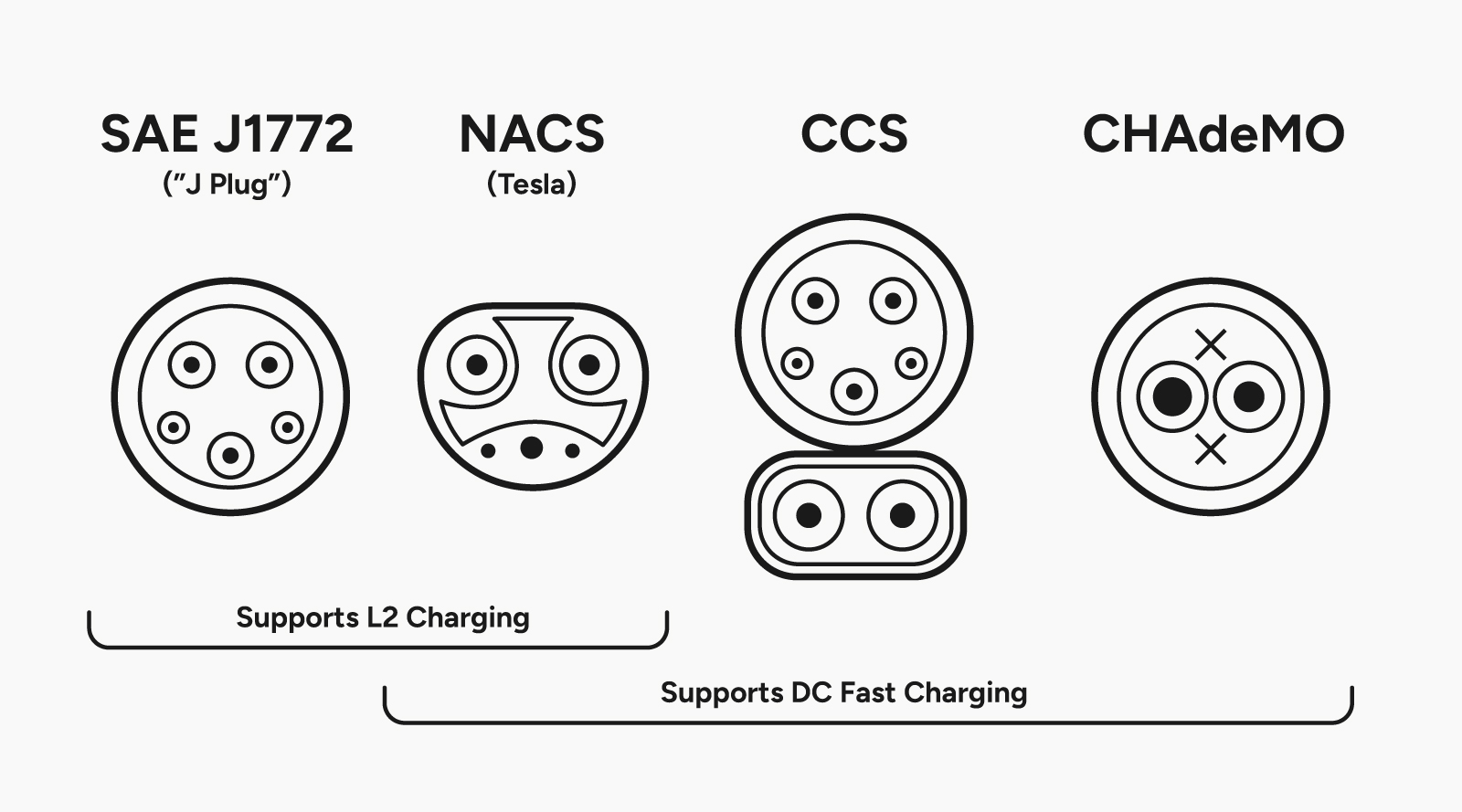
Connector Types & the NACS Shift
The industry is moving fast toward Tesla’s NACS plug, but J1772 is still everywhere. Choosing hardware that works with both ensures every driver can charge without confusion. Look for:
- Dual-connector support
- Interchangeable cables
- A roadmap aligned with NACS deployment through 2025–2027
Durability & Environmental Ratings
Commercial sites deal with weather, wear, and the occasional over-eager driver. AmpUp’s hardware partners meet strict durability and NEMA enclosure standards to ensure stations stay online in real-world conditions.
- NEMA 3R for moderate outdoor environments
- NEMA 4 / 4X for demanding climates, coastal exposure, or public access areas
- Across public and high-traffic areas, AmpUp also recommends vandalism-resistant features and secure cable management to reduce damage and downtime.
ADA Compliance
ADA compliance is not to be overlooked, especially in public settings. Ensure your installation meets reach ranges, access aisles, and cable management standards. Many builds fail inspection because cable retractors aren’t installed.
Total Cost of Ownership for Commercial EV Charging
Hardware is only one piece of the equation. The real picture includes installation, ongoing management, energy costs, and the efficiency of your charging program. This is where a platform like AmpUp helps you stay in control, rather than guessing your way through the numbers.
Hardware Costs
Here’s the typical range for commercial-grade stations. AmpUp integrates with hardware across all these tiers, so you can choose models that match your budget, property type, and long-term plans.
- Budget Level 2: $600–$1,200
- Mid-range commercial Level 2: $1,500–$3,500
- High-end Level 2: $4,000–$7,000+
- DC fast charging: $40,000–$150,000+
Installation Variables
Installation is where pricing can swing the most. Generally speaking, the earlier you add EV charging to the building plans, the more affordable the installation will be. Outfitting existing structures usually costs more because you are forced to work around finished surfaces, often requiring extensive concrete cutting and structural remediation to reach the power source.
- Panel upgrades: $5,000–$25,000
- Trenching/conduit: $50–$150 per linear foot
- Permits: $500–$2,500
- Parking lot modifications: varies by site
AmpUp works closely with installers to cut unnecessary scope and design a plan that doesn’t balloon your budget.
Operational Expenses
Once your chargers are live, you’ll have ongoing costs that depend on usage and software capabilities:
- Network/software fees: $15–$75 per port monthly
- Electricity: $0.10–$0.30/kWh
- Maintenance: $200–$500 per port annually
- Payment processing fees (if you charge drivers)
AmpUp helps you optimize these costs with real-time monitoring, dynamic pricing tools, and visibility into how your stations are performing day to day.
Revenue Models & Cost Recovery
A big question for any property is how quickly EV charging can pay for itself - the short answer: faster than most people expect. Once the stations are installed, each charging session helps offset your operating expenses — and with the right pricing model, the system becomes self-sustaining over time.
Most commercial properties blend a few approaches to balance convenience and cost recovery:
- Paid for charging for visitors or the public
- Discounted or free charging for employees/tenants
- Time-of-day or demand-based pricing
- Strategic free charging promotions to encourage adoption
You can explore different pricing strategies using AmpUp's EV charging revenue calculator.
State & Utility Incentives
State and utility incentives remain one of the strongest ways to improve ROI on commercial charging projects. Depending on your location, you may qualify for statewide EVSE rebates, utility make-ready support, demand-response payments, or LCFS credit revenue (in states with active LCFS programs). These programs can significantly reduce installation costs and improve long-term financial performance.
- State EVSE rebate programs
- Utility incentives or demand-response programs
- LCFS credits (in eligible states)
With AmpUp, you can adjust pricing by site, station, or user group. Most properties achieve a 3–5-year break-even period, faster if utilization is strong or incentives are applied.
Software & Management Requirements
Most teams focus on hardware first (understandably), but the software behind your chargers is what actually keeps the whole system running day to day. It’s the backbone: the part that handles uptime, payments, access, reporting, and the insights you need to operate at scale.
Without the right platform, even the best hardware turns into a support burden. A solid management platform should give you:
- Real-time monitoring across all stations and locations
- Proactive alerts and 99.9% uptime support so issues don’t surprise you
- A driver-friendly app for finding, starting, and paying for charging
- A clean, intuitive dashboard for property teams and operators
These tools are what make commercial charging sustainable: they reduce manual work, improve the driver experience, and keep revenue flowing without constant oversight. If you want charging to feel “set it and forget it,” this is the layer that makes it possible.
Access Control
Different properties need different levels of access. You decide who can charge, and when. AmpUp supports:
- RFID cards
- App authentication
- Credit-card tap-to-pay
- Access rules for employees, tenants, fleets, or the public
Payment & Billing
A platform with flexible pricing tools lets you easily align cost recovery with your business goals.
- Pay-per-kWh
- Time-based pricing
- Tenant/resident billing
- Free charging with usage tracking
- Discounted rates for specific user groups
- Time-based pricing
Reporting & Analytics
Property management teams rely on easy-to-use EV charging management software for:
- Energy consumption and cost allocation
- Peak demand visibility
- Usage and turnover patterns
- Sustainability and ESG reporting
- Reliability metrics (98.5%+ session success rates)
Remote Maintenance & Monitoring
Remote monitoring keeps your stations reliable without costly on-site work.
- Track uptime, faults, and performance in real time
- Perform soft and hard resets remotely without rolling a truck
- Catch issues before they affect drivers and reduce maintenance costs
Integration Capabilities
A future-proof EV charging management platform like AmpUp can connect to your existing systems for a cleaner operational workflow, including:
- Tenant billing systems
- Fleet management systems
- Work order and maintenance tools
- Energy management platforms
Installation Planning & Project Timeline
A smooth installation depends on alignment between electricians, utilities, inspectors, and your property team. AmpUp coordinates closely with installers to make this process predictable and well-structured.
Electrical Capacity & Load Management
One of the first steps is confirming whether your main service panel can support the number of chargers you plan to install. If not, load management (available on the AmpUp EV Cloud platform) can help avoid expensive service upgrades by distributing power intelligently across stations.
Permitting Requirements
Most commercial installs require:
- Electrical permits
- Site inspections
- Fire marshal review
- ADA compliance verification
Site Design Considerations
Good design improves the driver experience and reduces operational issues later. Key factors include:
- Parking space layout
- Cable routing and safety
- Lighting requirements
- Security camera coverage
Typical Timeline (12 Weeks)
Installation timelines vary by location and site type. Here’s a rough average:
- Weeks 1 – 2: Site assessment & engineering
- Weeks 3 – 4: Permitting
- Weeks 5 – 8: Equipment procurement
- Weeks 9 – 10: Installation
- Weeks 11 – 12: Final inspection & commissioning
Operations, Maintenance & Ongoing Support
Reliable charging doesn’t happen by accident. It requires monitoring, quick intervention, and a platform that helps you spot issues before drivers do.
Preventive Maintenance
Quarterly check-ins and routine updates go a long way in avoiding downtime. AmpUp’s real-time alerts help you stay ahead of problems rather than reacting to them.
Achieving 98.5%+ Charging Success
High reliability comes from:
- Proactive hardware monitoring
- Fast response to issues
- Clear driver support
- Strong SLAs with your installer and software partner
AmpUp’s support model is built around hitting (and maintaining) this level of performance.
Driver Support
Happy drivers equal higher utilization. AmpUp’s user experience helps you keep people charging smoothly with:
- In-app troubleshooting
- Clear on-station instructions
- 24/7 help options
Warranty & SLA Coverage
Commercial-grade chargers typically include 3–5 year hardware warranties and can be paired with SLAs for response time and uptime. AmpUp works with hardware partners to ensure you know exactly what’s covered and how to get issues resolved quickly.
Making the Business Case
EV charging is no longer a nice-to-have for commercial properties. Adoption keeps rising each year, and properties that add charging tend to see faster leasing cycles and stronger tenant retention, especially in office and multifamily environments where charging has become one of the top-requested amenities.
Tenant Attraction & Retention
According to CBRE, charging has become one of the most requested amenities in both office and multifamily settings. Offering reliable charging signals that your property is modern, thoughtful, and future-ready.
Property Value Boost
Properties with EV infrastructure often see 10–20% higher valuations and faster leasing cycles because the asset is more competitive and aligned with market trends.
Employee Experience & Talent Recruitment
In workplaces, EV charging is consistently rated among the most appreciated perks. It signals investment in sustainability and employee convenience.
Sustainability & ESG
Charging directly supports Scope 2 and Scope 3 emissions reporting and helps properties demonstrate measurable progress toward sustainability goals.
Building Your ROI Model
AmpUp can help your team build accurate models and evaluate different revenue scenarios before installation. When installed with the correct usage profile, commercial EV charging can not only boost property value and tenant satisfaction but also position your asset for growth as adoption accelerates toward the projected “50% of new car sales EV by 2030” milestone.
When you model ROI, consider:
- 5-year financial performance
- Available incentives
- Paid vs. free charging strategies
- Expected utilization
Whether you’re planning a small pilot or deploying across an entire portfolio, AmpUp can help you design a charging program that fits your property, budget, and operational needs.
Request a site assessment, email info@ampup.io, or call (833) 692-6787.
EV Charger Installation FAQs
What type of commercial EV charger do I need?
Most properties start with Level 2 chargers because they match all-day or multi-hour dwell times and cost less to install. DC fast charging is better suited for short-stop retail locations, highway stops, and public access sites where drivers expect quick turnaround. Your dwell time and electrical capacity determine the right mix.
How many EV charging stations should a commercial property install?
A standard benchmark for workplaces is one charger per 10–15 parking spaces. Multifamily and retail properties vary more widely in terms of usage patterns. Most teams start with a phased rollout but design the site for 50–100% expansion to stay ahead of rising EV adoption.
How much does a commercial EV charging station cost?
Typical total installed cost is $3,000–$7,000 per Level 2 port and $40,000–$150,000+ for DC fast charging, depending on electrical capacity, trenching, panel upgrades, and permitting. Hardware is only part of the cost — installation drives most of the variability.
How long does installation take?
Most commercial projects follow a 10–12 week timeline, including site assessment, engineering, permitting, equipment procurement, installation, and final inspection. Complex sites may take longer, especially if electrical upgrades are required.
What is OCPP, and why does it matter?
OCPP (Open Charge Point Protocol) ensures your chargers work with multiple software platforms and manufacturers. Choosing OCPP-compliant hardware prevents vendor lock-in and lets you scale or switch equipment in the future without replacing your entire system.
Do I need networked chargers for my property?
Yes — for commercial use cases, networked chargers provide monitoring, payments, reporting, access control, and uptime management. Non-networked chargers lack the tools required for accountability, reliability, and revenue collection in workplaces, multifamily, and retail sites.
What incentives are available to reduce the cost?
State and utility programs often provide rebates, make-ready construction support, demand-response payments, and LCFS credit revenue in eligible regions. These can significantly reduce installation costs and improve long-term ROI.
How do commercial properties make money from EV charging?
Properties generate revenue through pay-per-kWh, time-based pricing, public charging fees, and differentiated pricing for tenants, employees, or visitors. When utilization is steady, most properties achieve a 3–5-year payback, with incentives, faster.
How do I maintain high charger uptime?
High reliability comes from real-time monitoring, proactive alerts, quick remote resets, firmware updates, and strong support coverage. Aim for 98.5%+ charging success through a combination of quality hardware and a software platform that actively monitors performance.
What ESG benefits does EV charging offer?
Commercial charging contributes to Scope 2 (electricity use) and Scope 3 (employee commuting, tenant behavior) reporting. Adding chargers also supports sustainability certifications and improves your property’s position in ESG-driven leasing decisions.
Ready to Build an EV Charging Strategy?
Whether you’re planning a small pilot or deploying across an entire portfolio, AmpUp can help you design a charging program that fits your property, budget, and operational needs.
Request a site assessment, email info@ampup.io, or call (833) 692-6787.